
NewsDetails
Replacement Intervals for Wear Parts in Circular Arc Gear Pumps
author:Tianyi Pump time:2026-06-24 14:42:10 Click:129
Replacement Intervals for Wear Parts in Circular Arc Gear Pumps
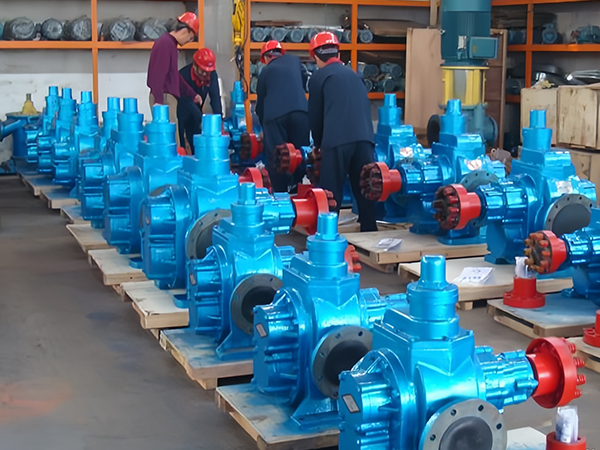
Circular Arc Gear Pumps are widely used in petroleum transfer, lubrication systems, chemical processing, hydraulic equipment, and industrial fluid transportation. Although these pumps are known for their durability and simple structure, certain components are subject to continuous friction, pressure, and fluid erosion during operation. Regular replacement of wear parts is essential to maintain efficiency, prevent unexpected failures, and extend overall equipment life. The actual replacement interval depends on operating conditions, fluid properties, pressure, temperature, and maintenance quality.
Mechanical Seals
Mechanical seals are among the most frequently replaced components in gear pumps.
Under normal operating conditions, a high-quality mechanical seal can typically operate for 8,000 to 20,000 hours. However, high temperatures, abrasive particles, dry running, cavitation, and pressure fluctuations can significantly shorten seal life.
Routine inspections should focus on leakage, temperature rise, and seal face wear. Any noticeable increase in leakage should be investigated immediately.
Packing Seals
For pumps equipped with packing seals, replacement intervals are generally shorter than those of mechanical seals.
Depending on operating conditions, packing material may require adjustment periodically and replacement every 3,000 to 10,000 operating hours.
Excessive leakage, overheating of the stuffing box, or loss of adjustment capability are clear indicators that packing replacement is necessary.
Bearings
Bearings support shaft rotation and maintain alignment between gears and shafts.
Under clean lubrication conditions and proper alignment, bearings typically last 15,000 to 40,000 operating hours. Poor lubrication, contamination, vibration, or overload can dramatically reduce service life.
Abnormal noise, increased vibration, and elevated bearing temperature are common warning signs of bearing deterioration.
Shaft Bushings and Sleeves
Bushings and shaft sleeves are subject to continuous friction and wear.
Their replacement interval varies widely depending on fluid cleanliness and operating pressure. In well-maintained systems, bushings may operate for 10,000 to 30,000 hours before replacement becomes necessary.
Contaminated oil is one of the primary factors that accelerates bushing wear and shortens service life.
Gears
The gear set is the core component of the pump and generally has the longest service life.
Under normal conditions, gears can often operate for 20,000 to 50,000 hours or more. However, abrasive particles, cavitation, inadequate lubrication, and overload operation can significantly accelerate wear.
Regular monitoring of pressure, flow rate, and internal leakage helps identify gear wear before severe efficiency loss occurs.
Side Plates and Wear Plates
Side plates maintain critical axial clearances inside the pump.
As wear increases, internal leakage rises and volumetric efficiency decreases. Depending on operating conditions, side plates may require resurfacing or replacement every 15,000 to 40,000 operating hours.
Periodic clearance measurement is recommended during major maintenance intervals.
O-Rings and Elastomer Components
Elastomer seals are sensitive to temperature, pressure, and chemical compatibility.
Even if leakage is not immediately visible, aging, hardening, and loss of elasticity may occur over time. Many maintenance programs replace critical O-rings during every major overhaul or every 2 to 5 years, depending on service conditions.
Factors Affecting Replacement Intervals
Actual wear-part life depends on several variables:
Fluid cleanliness
Operating pressure
Temperature conditions
Pump speed
Frequency of start-stop cycles
Chemical compatibility of materials
Maintenance quality
A pump operating with clean lubricating oil may achieve component life several times longer than a pump handling contaminated or abrasive media.
Recommended Maintenance Strategy
Rather than relying solely on fixed replacement intervals, condition-based maintenance is often more effective. Monitoring vibration, pressure, temperature, leakage, and flow performance provides valuable information about component condition.
Scheduled inspections combined with predictive maintenance techniques can identify wear before catastrophic failure occurs.
Conclusion
The replacement interval of Circular Arc Gear Pump wear parts varies according to operating conditions and maintenance practices. Mechanical seals, packing seals, bearings, bushings, gears, side plates, and elastomer components all have different service lives. A proactive maintenance program based on condition monitoring, regular inspection, and timely replacement is the most effective approach for maximizing pump reliability and minimizing downtime.
References
Hydraulic Institute Standards for Rotary Positive Displacement Pumps
Pump Handbook, Fourth Edition, McGraw-Hill Education
API Recommended Practices for Pump Maintenance and Reliability
Machinery Lubrication and Reliability Engineering Handbook
Industrial Gear Pump Service and Maintenance Manual
 Recommended Products
 Contact us
—— Contact:Mr. Shi
—— Tel:+86 15612730683
—— Email:btclyb@163.com
—— Url:https://www.tianyi-pump.com
—— Address:260 meters east of Xiaoquan Village Committee, Bozhen, Botou City, Cangzhou City, Hebei Province