
NewsDetails
High-Viscosity Pump Selection for Coatings, Resins, and Asphalt Applications
author:Tianyi Pump time:2026-06-24 14:47:26 Click:151
High-Viscosity Pump Selection for Coatings, Resins, and Asphalt Applications
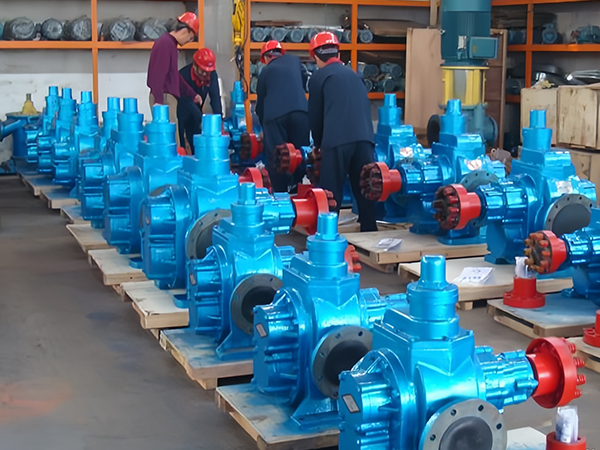
High-viscosity media such as coatings, resins, and asphalt present unique pumping challenges due to their high resistance to flow, temperature sensitivity, and varying rheological properties. Selecting the correct high-viscosity pump is critical for ensuring stable flow, reliable pressure, low maintenance costs, and long equipment life. Among various positive displacement pumps, Circular Arc Gear Pumps are widely used because of their strong self-priming capability, smooth operation, and suitability for handling viscous fluids.
Key Factors in Pump Selection
Before selecting a pump, the physical properties of the medium must be carefully evaluated.
Important parameters include viscosity, operating temperature, flow rate, discharge pressure, solid particle content, and chemical compatibility. Since the viscosity of coatings, resins, and asphalt can vary significantly with temperature, both startup and operating conditions should be considered.
Accurate viscosity data at actual operating temperature is the most important factor in high-viscosity pump selection.
Pump Selection for Coating Applications
Industrial coatings often exhibit medium to high viscosity and may contain pigments or fillers.
For most coating transfer systems, Circular Arc Gear Pumps provide stable flow and good metering performance. Their low pulsation characteristics help maintain product quality and reduce process fluctuations.
When abrasive pigments are present, wear-resistant materials and enhanced filtration systems should be considered to reduce gear and bushing wear.
Variable-frequency control is often recommended to accommodate different coating viscosities and production requirements.
Pump Selection for Resin Applications
Resins can range from moderately viscous liquids to extremely thick materials depending on formulation and temperature.
For medium-viscosity resins, standard Circular Arc Gear Pumps are often sufficient. However, highly viscous or shear-sensitive resins may require larger pump displacement and lower operating speed to reduce mechanical stress and heat generation.
Heating jackets are commonly used to maintain stable viscosity and improve flowability during startup and continuous operation.
Seal material compatibility should also be verified to ensure resistance to chemical attack.
Pump Selection for Asphalt Applications
Asphalt represents one of the most demanding high-viscosity pumping applications.
Its viscosity changes dramatically with temperature, and it may partially solidify during shutdown. Therefore, asphalt pumps typically require heating jackets on the pump casing, seals, and pipelines.
Low-speed, large-displacement Circular Arc Gear Pumps are generally preferred because they provide high flow capacity while minimizing shear stress and power consumption.
High-temperature mechanical seals and heat-resistant materials are essential for reliable long-term service.
Material Selection Considerations
Pump material selection depends on the chemical characteristics of the medium.
Carbon steel is commonly used for asphalt applications, while stainless steel may be required for certain coatings and resins containing corrosive ingredients.
Wear-resistant bushings, hardened gears, and high-temperature sealing materials can significantly improve durability in demanding applications.
Drive and Speed Selection
Pump speed has a major influence on performance and service life.
Higher speeds may increase flow rate but can also increase temperature rise, vibration, and wear. For high-viscosity fluids, lower rotational speeds are generally recommended.
Variable-frequency drives allow operators to adjust pump speed according to viscosity changes and process requirements, improving efficiency and reliability.
Suction and Pipeline Design
Proper pipeline design is critical for handling viscous fluids.
Large-diameter suction lines, minimal bends, and short pipe runs help reduce pressure losses. In asphalt and resin systems, insulated or heated pipelines may be necessary to maintain fluid flow.
Adequate suction conditions reduce the risk of cavitation and improve pump efficiency.
Conclusion
Selecting the right high-viscosity pump for coatings, resins, and asphalt requires careful consideration of viscosity, temperature, pressure, chemical compatibility, and process requirements. Circular Arc Gear Pumps offer excellent performance in these applications due to their positive displacement design and strong handling capability for viscous media. Proper pump sizing, material selection, heating configuration, and speed control are the keys to achieving reliable operation, high efficiency, and long service life.
References
Hydraulic Institute Standards for Positive Displacement Pumps
Pump Handbook, Fourth Edition, McGraw-Hill Education
API Recommended Practices for Rotary Pump Applications
Industrial Fluid Handling and Viscous Media Pumping Guide
High-Viscosity Pump Engineering and Selection Manual
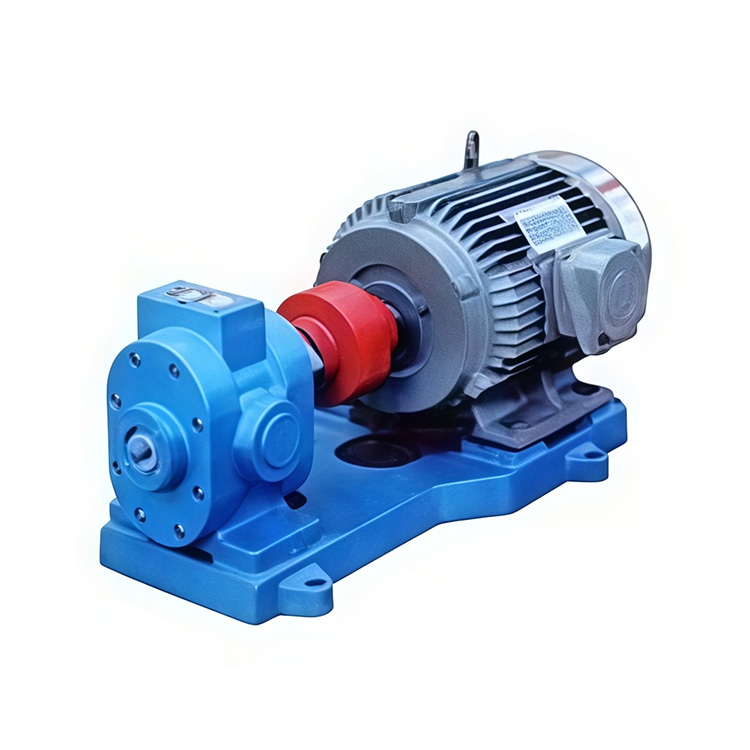
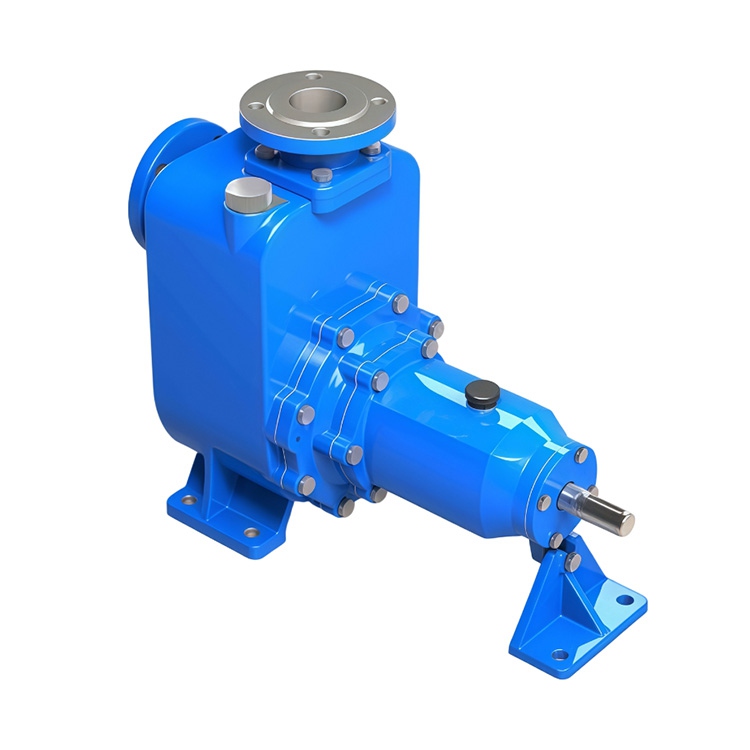
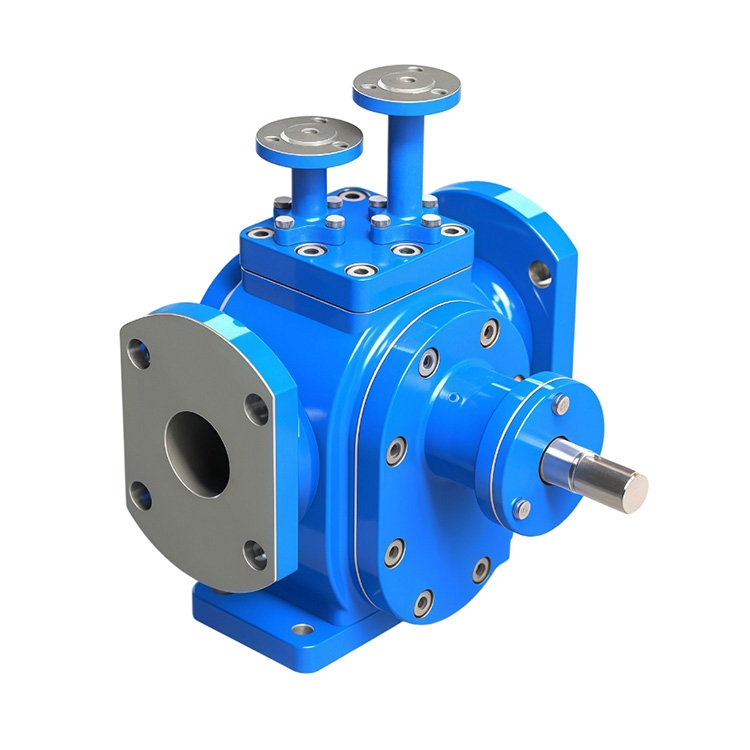
 Recommended Products
 Contact us
—— Contact:Mr. Shi
—— Tel:+86 15612730683
—— Email:btclyb@163.com
—— Url:https://www.tianyi-pump.com
—— Address:260 meters east of Xiaoquan Village Committee, Bozhen, Botou City, Cangzhou City, Hebei Province