
NewsDetails
Screw Pump Designs and How They Handle Non-Newtonian Fluids
author:Tianyi Pump time:2026-09-24 17:52:49 Click:145
When a fluid is thick, shear-sensitive, or full of entrained gas, the screw pump tends to appear on the specification sheet. Unlike a gear pump that bites fluid between teeth, a screw pump screws it forward along a continuous thread, much like a drill driving material down a hole. The motion is gentle and nearly pulse-free, which is why a screw pump manufacturer is often the first call when the product is expensive, delicate, or simply hard to push.
The three common rotor arrangements
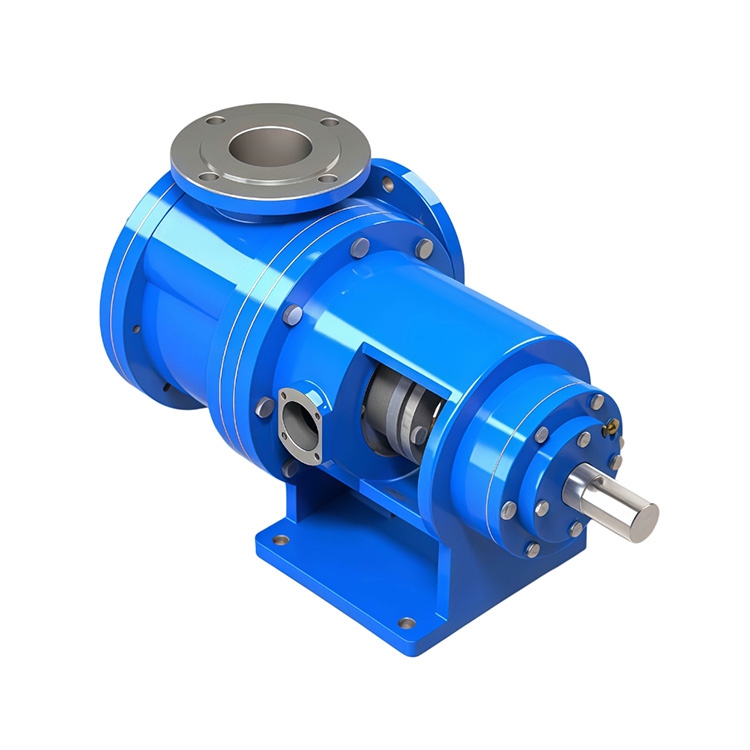
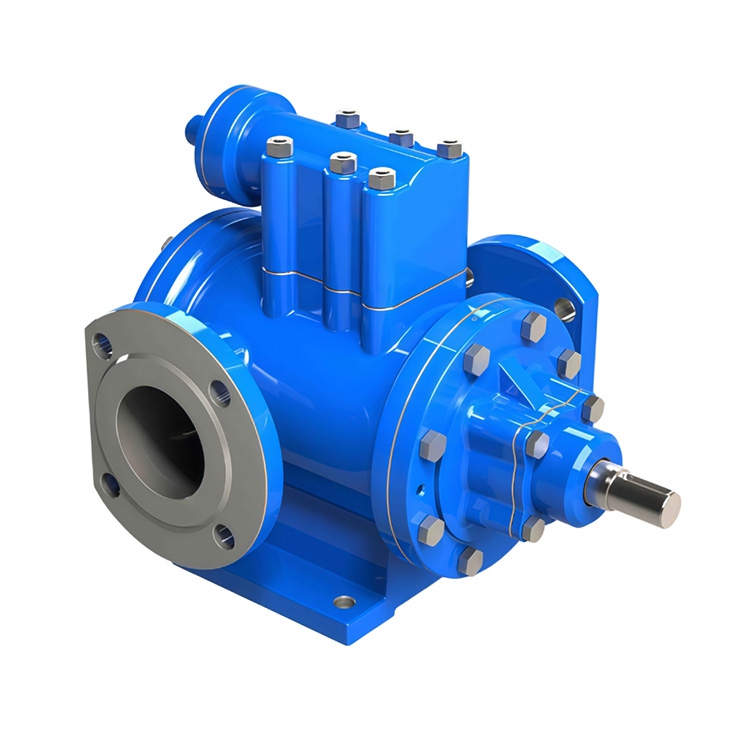
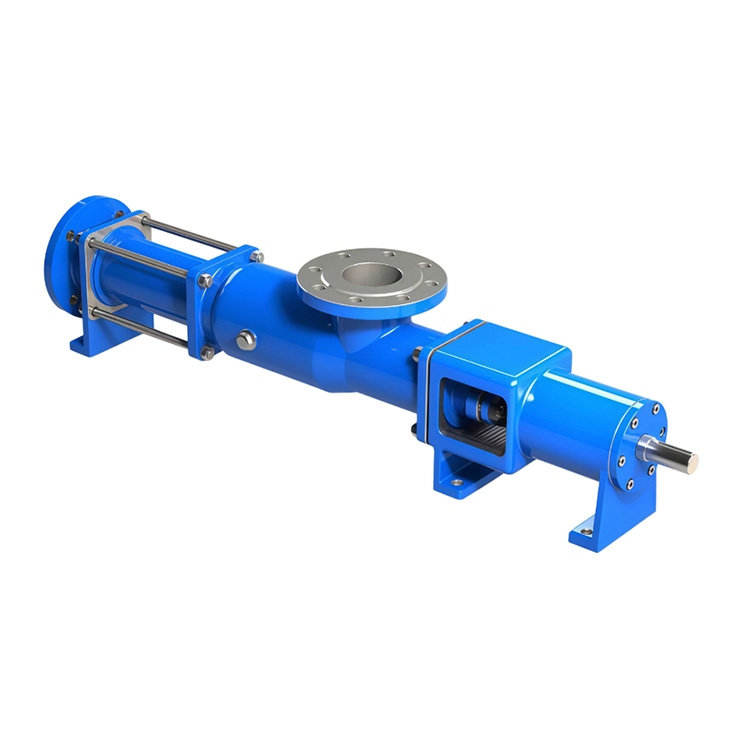
Single-screw, or progressing cavity, pumps use one helically wound rotor inside a flexible stator; they tolerate solids and pastes better than almost anything else. Twin-screw pumps carry two intermeshing screws and are the workhorse of tank-farm and refinery service, moving crude, fuel oil, and liquefied products with impressive suction lift. Three-screw pumps use one power rotor and two idlers, delivering very smooth, high-pressure flow for lubrication and hydraulic duties. A screw pump supplier will steer a buyer toward one of these based on whether the liquid is clean or dirty, thin or pasty, and whether the plant can tolerate the stator wear that single-screw designs eventually require.
Why non-Newtonian liquids behave
Many industrial fluids, from paint and toothpaste to drilling mud and polymer melt, change viscosity with shear rate. A centrifugal pump fights them because its high-speed impeller adds shear and can break the structure apart. A screw pump moves at modest speed and low internal shear, so a shear-thinning product keeps flowing without damage. This is the quiet advantage of the design: it transports the liquid in roughly the condition it arrived in. For a factory running multiple product grades through one line, that consistency protects both the pump and the final product quality.
Sealing and the gas-handling edge
Twin-screw pumps in particular swallow entrained gas without losing prime, a trait that earns them a place on tank-cleaning and vapour-recovery duties where other pumps would cavitate and stall. Timing gears keep the screws from touching, so the rotors run on a film of the product itself and need no internal lubrication from a separate oil system in many services. A screw pump manufacturer will still specify mechanical seals sized to the vapour pressure and temperature, because the seal sees the real process condition long before the rotor does.
Matching the rotor to the duty
Casing styles and heating options
Not every screw pump runs cold. Thick products such as heavy fuel, asphalt, or polymer are moved through jacketed casings warmed by steam or thermal oil so the liquid stays fluid inside the body. A screw pump manufacturer will usually offer a heated inlet branch as well, because the product can gel at the exact point where it enters if that corner is left cold, and a gelled inlet stalls the whole duty. The jacket wraps the wetted path without touching the rotor, so heat reaches the liquid and stays away from the bearings. For plants switching between hot and cold grades, a drainable jacket that can be flushed and purged keeps one pump useful across the whole product range instead of locking the machine to a single service that runs only a few months a year.
Spares and the wear you plan for
A screw pump is bought once and maintained for years, so the spare strategy belongs in the first purchase order rather than the first failure. Twin and three-screw units keep timing gears and seals as the usual consumables; single-screw progressing-cavity pumps treat the stator as a scheduled replacement that should be priced into the duty from the start. A screw pump supplier will quote a rotor-and-stator pair or a seal kit alongside the pump so a stop never waits on a long lead-time part. Recording running hours against the known wear rate turns an emergency into a planned change during a quiet window. The plants that draw the longest life from screw pumps are the ones that treat spares as part of the original specification, not as an afterthought discovered when something has already broken and production is on the line.
Selecting a screw pump is less about a single number and more about a profile. Pitch, number of starts, and lead angle set the pressure each stage can develop. Thicker fluids want a coarse, low-speed screw; cleaner, thinner liquids allow finer threads and higher speed. Materials range from cast iron for mineral oils to stainless and hardened alloys for corrosive or abrasive duties. The factory should receive the full viscosity curve, not just one point, because screw pumps live or die on how the product behaves across the operating temperature band rather than at a single design condition.
References
API Standard 676, Rotary-Type Positive Displacement Pumps, 4th Edition, American Petroleum Institute.
ISO 5199, Technical Specifications for Centrifugal Pumps, Class II, International Organization for Standardization.
Karassik, I.J., and McGuire, J.T., The Pump Handbook Collection, McGraw-Hill.
Hydraulic Institute, Positive Displacement Pumps: Basics, Applications, and Troubleshooting, HI.
Bloch, H.P., Pump Wisdom: Problem Solving for Operators and Specialists, John Wiley & Sons.
 Recommended Products
 Contact us
—— Contact:Mr. Shi
—— Tel:+86 15612730683
—— Email:btclyb@163.com
—— Url:https://www.tianyi-pump.com
—— Address:260 meters east of Xiaoquan Village Committee, Bozhen, Botou City, Cangzhou City, Hebei Province