
NewsDetails
Industrial Pump Selection Guide for Petroleum and Chemical Processing Applications
author:Tianyi Pump time:2026-07-17 08:32:11 Click:53
Selecting the correct pump for petroleum or chemical processing is not simply matching flow and pressure numbers. Fluid characteristics — viscosity, temperature, lubricity, corrosiveness, and solid content — have a decisive impact on which pump type performs reliably and which fails prematurely. The right selection reduces energy consumption, minimizes downtime, and extends equipment life. This guide covers the main pump types used in these industries and provides practical criteria for matching the pump to the application.
Start with Fluid Properties
Viscosity is the most important parameter. Centrifugal pumps work well with low-viscosity fluids such as water and light solvents. As viscosity increases above approximately 100-200 centistokes, centrifugal performance drops sharply and a positive displacement pump becomes the better choice. Temperature affects both viscosity and material selection. High-temperature fluids require appropriate casing materials, seal arrangements, and thermal expansion provisions. For thermal oil and asphalt, pumps with air-cooled or water-cooled bearing brackets protect the motor. Corrosiveness dictates wetted-part materials — stainless steel, Hastelloy, or plastic-lined pumps for aggressive chemicals. Abrasive solids require hardened components or pump types that tolerate solids, such as progressing cavity pumps.
When to Choose a Gear Pump
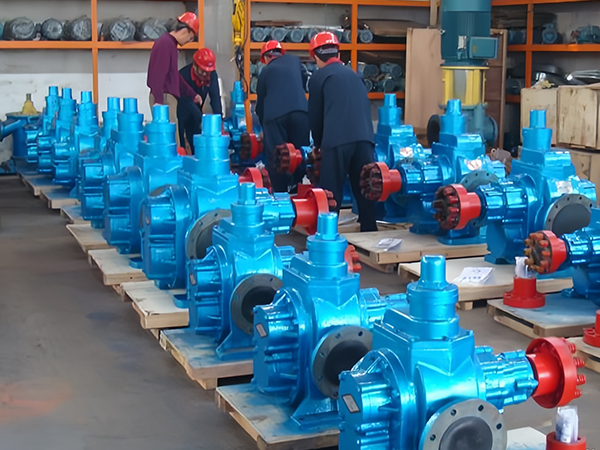
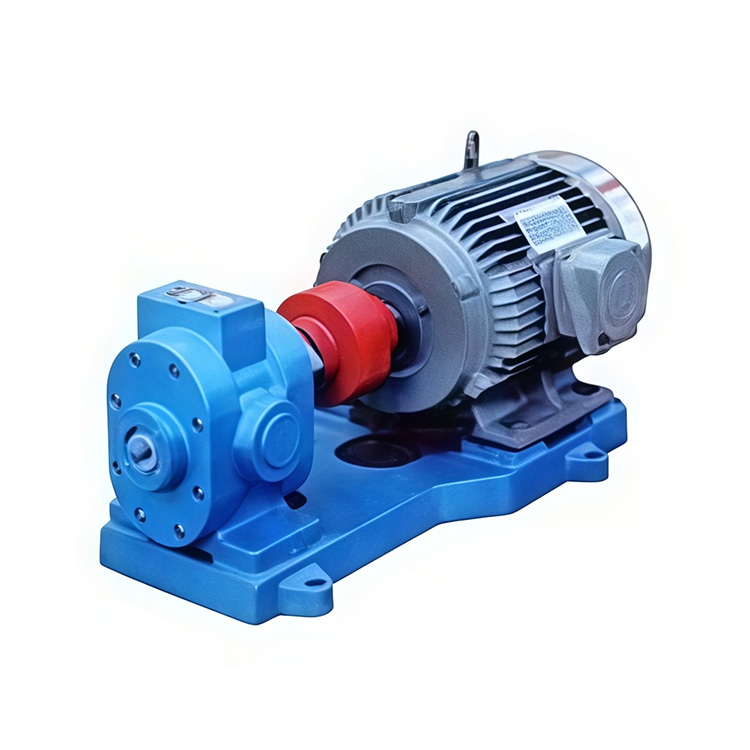
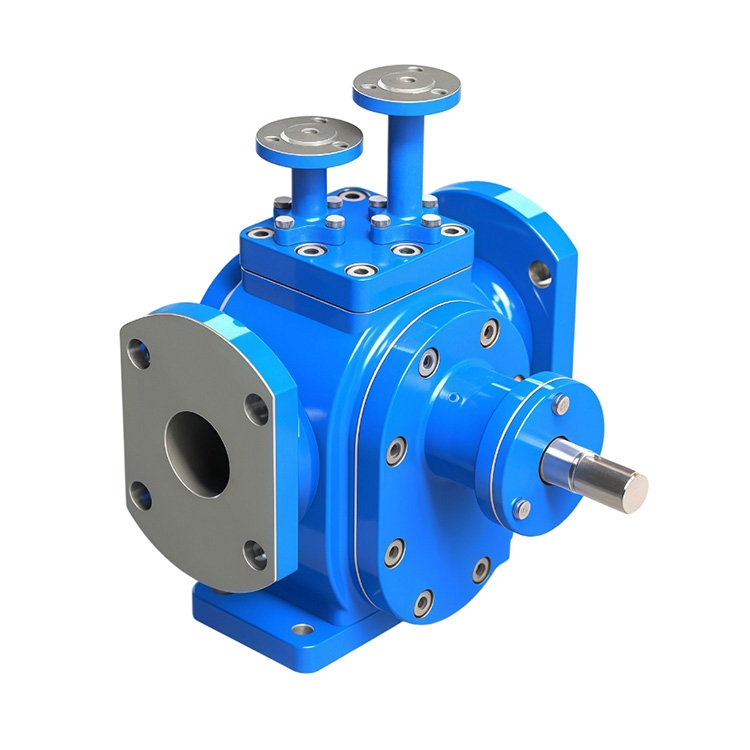
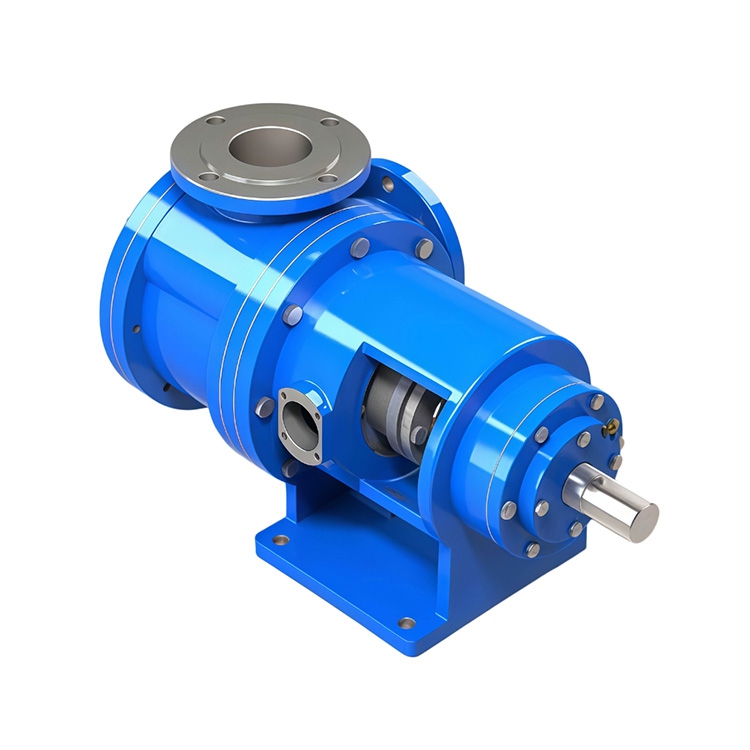
External gear pumps like the KCB and 2CY series are the right choice for clean, lubricating fluids in the low-to-medium viscosity range. They are compact, simple to maintain, and handle hydraulic oils, lubricating oils, fuel oils, and diesel efficiently. They are not suitable for non-lubricating fluids, abrasive slurries, or fluids with solid particles. For higher viscosity fluids — resin, adhesive, asphalt — the NYP internal gear pump is better suited, with its gentle low-shear action and stable flow. The YCB circular arc gear pump offers improved flow stability and reduced noise where those characteristics are critical.
When to Choose a Screw Pump
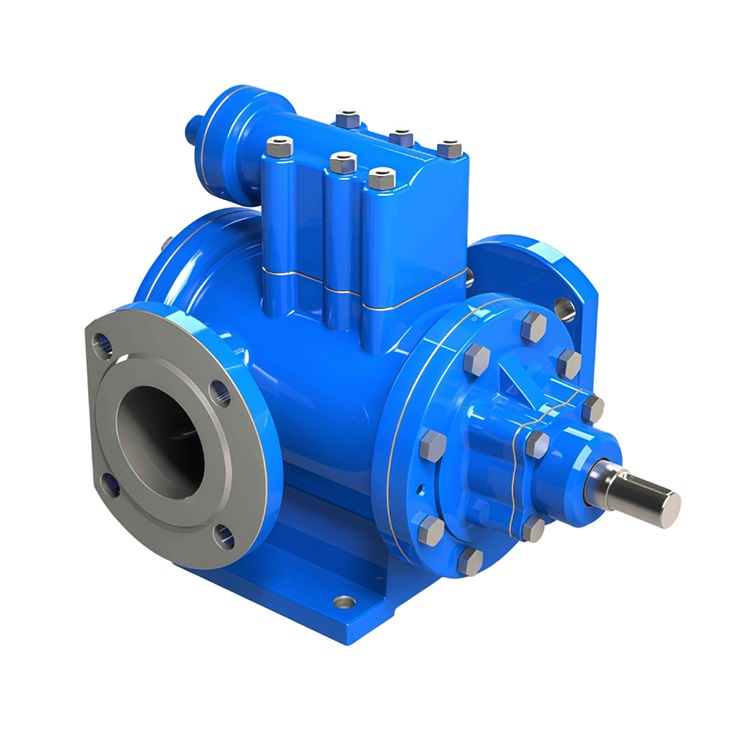
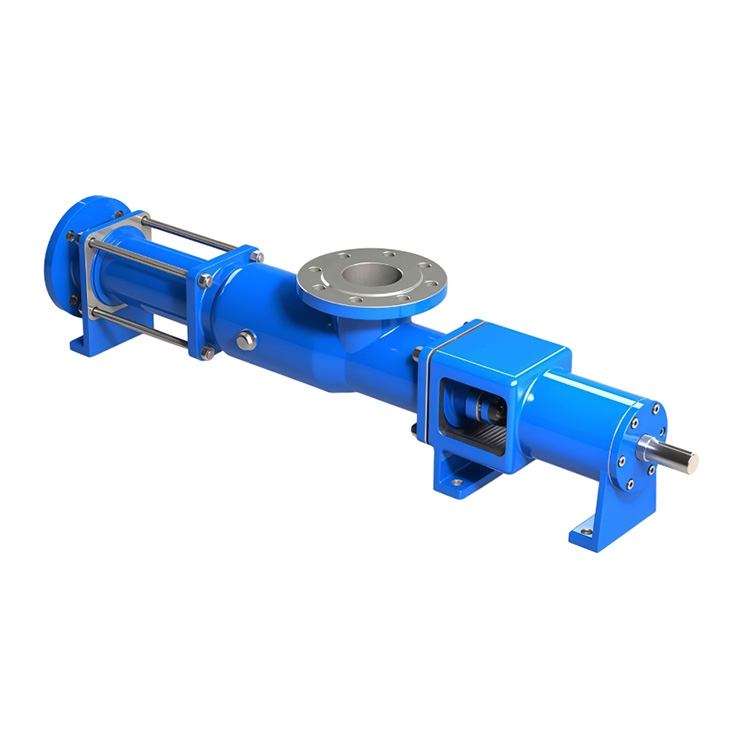
Three-screw pumps like the 3G series are ideal for applications requiring smooth, pulse-free flow — lubrication circulation, fuel oil transfer, and hydraulic system supply. They operate quietly and handle medium-to-high viscosity fluids with minimal shear. The G series single screw pump excels in difficult applications — sludge, wastewater, slurries, shear-sensitive foods, and fluids containing solids or fibers. Its progressing cavity design provides predictable flow proportional to speed and precise metering capability.
When to Choose a Centrifugal Pump
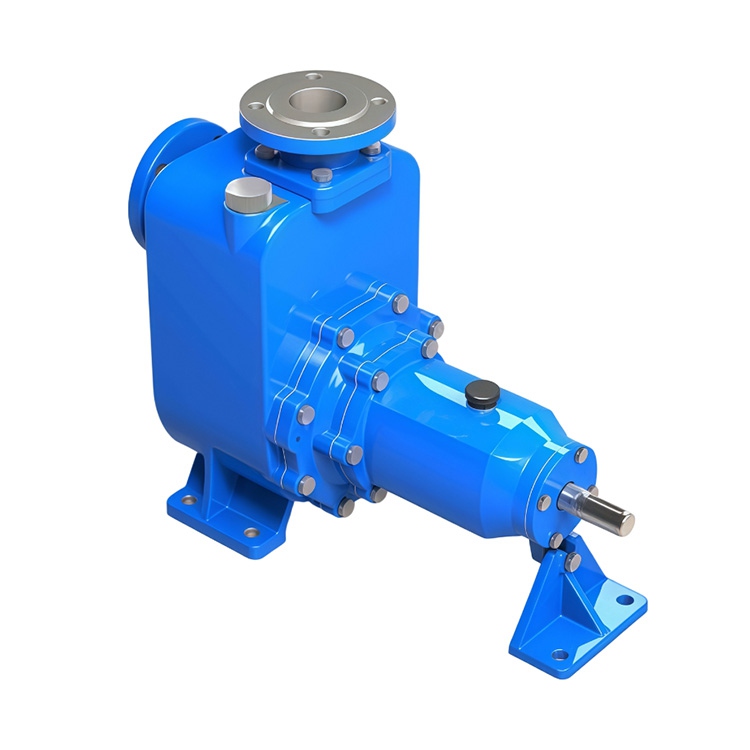
Centrifugal pumps are the most common industrial pump type for good reason — simple construction, low cost, and high flow rates. For low-viscosity, clean fluids at moderate temperatures, they are the most economical choice. The CYZ self-priming centrifugal pump adds automatic priming capability, making it suitable for fuel transfer, marine service, and emergency oil recovery where the pump is above the liquid level. The RY air-cooled thermal oil pump extends centrifugal technology into high-temperature heat transfer service without requiring cooling water. Centrifugal pumps should be avoided for high-viscosity fluids, metering applications, and services without adequate positive suction head.
Material Selection and Cost Considerations
Pump material selection is driven by the chemical compatibility with the pumped fluid and the operating temperature. For petroleum-based fluids at moderate temperatures, cast iron and carbon steel are standard and cost-effective. Stainless steel is required for mildly corrosive or food-grade service, while Hastelloy and titanium alloys handle aggressive chemicals at elevated temperatures. Plastic-lined pumps offer an economical alternative for corrosive chemicals at lower pressures and temperatures. The initial pump cost must be balanced against the expected maintenance cost and service life — a more expensive pump with corrosion-resistant materials often costs less over its lifetime than a cheaper pump that requires frequent replacement of corroded components.
Specialty Pumps for Demanding Applications
The LQB asphalt insulation pump with its integrated heating jacket is purpose-built for hot bitumen transfer. Magnetic drive pumps eliminate shaft seals entirely for zero-leakage operation with hazardous or valuable fluids. Each specialty pump type addresses a specific set of challenges that general-purpose pumps cannot handle reliably.
Partnering with a Pump Manufacturer
No selection guide replaces the expertise of an experienced pump manufacturer who reviews the complete application. A professional pump supplier examines fluid properties, system piping layout, available suction head, duty cycle, and environmental conditions, then provides certified performance curves for the specific operating conditions. For facilities with large pump inventories, standardizing on a limited number of models from a single manufacturer simplifies spare parts management and maintenance training. A manufacturer offering gear pumps, screw pumps, centrifugal pumps, and specialty pumps can be a single-source partner for the entire facility's fluid handling needs.
References
Karassik, I. J., Messina, J. P., Cooper, P., & Heald, C. C. (2001). Pump Handbook (4th ed.). McGraw-Hill.
Nesbitt, B. (2006). Handbook of Pumps and Pumping. Elsevier.
Bloch, H. P., & Budris, A. R. (2013). Pump User's Handbook: Life Extension (4th ed.). Fairmont Press.
Hydraulic Institute. (2020). Hydraulic Institute Standards for Rotodynamic and Positive Displacement Pumps. HI.
Girdhar, P., & Moniz, O. (2011). Practical Centrifugal Pumps: Design, Operation and Maintenance. Elsevier.
 Recommended Products
 Contact us
—— Contact:Mr. Shi
—— Tel:+86 15612730683
—— Email:btclyb@163.com
—— Url:https://www.tianyi-pump.com
—— Address:260 meters east of Xiaoquan Village Committee, Bozhen, Botou City, Cangzhou City, Hebei Province