
NewsDetails
Asphalt, Bitumen, and Hot Oil Pumps for Thermal Fluid Service
author:Tianyi Pump time:2026-08-20 15:09:40 Click:73
Asphalt and bitumen are barely pumps at room temperature and turn fluid only when hot. Moving them is a thermal problem first and a pumping problem second. A pump manufacturer serving roofing, road, and refinery plants lives in that overlap, where the casing must stay hotter than the product or the line freezes solid inside the machine.
Why heat comes before pressure
Bitumen at 20 degrees is a solid block; at 160 to 200 degrees it flows like thick syrup. The pump's job is impossible unless the product is kept above its softening point from tank to nozzle. A pump supplier will specify steam or hot-oil jacketing around the casing and often the inlet branch, so heat reaches the liquid where it sits closest to gelling. Without that jacket, the pump becomes the coldest point in the line and the bitumen plates the rotors within minutes of a slow spell.
Gear and screw options for hot service
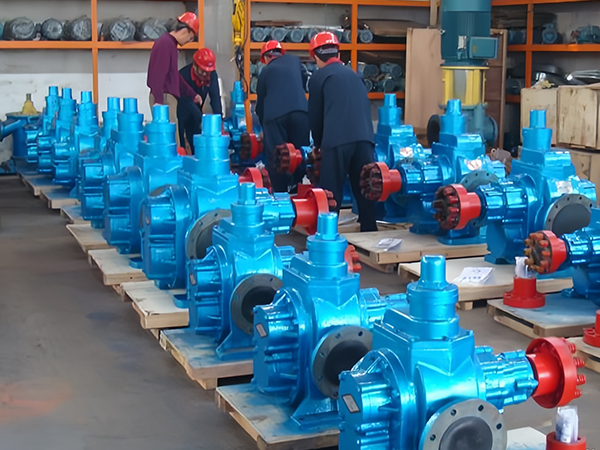
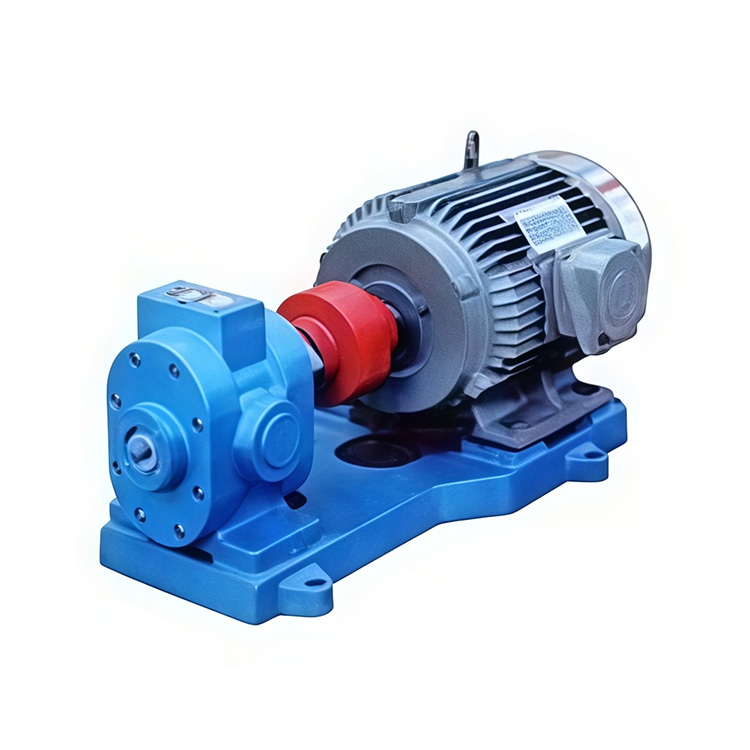
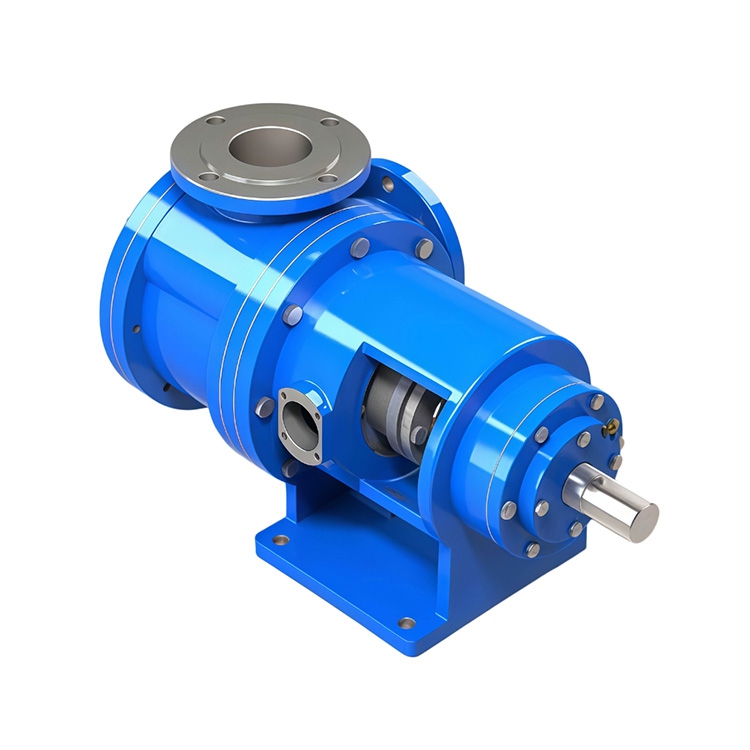
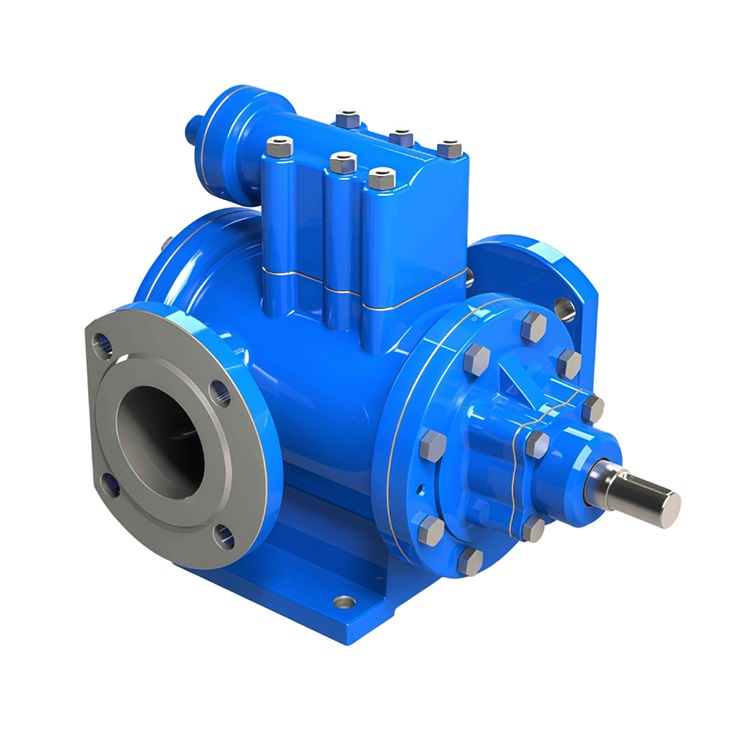
External gear pumps handle moderate bitumen duties with heated casings and high-temperature mechanical seals. For larger volumes and gentler action, heated twin-screw pumps move the product with less shear and a stronger suction lift. A pump manufacturer will choose based on throughput and the need for pulse-free discharge into a spray or mixer. Both designs share the same rule: every wetted surface that touches product must carry heat, or the duty fails at the one cold corner.
Materials and seals that survive heat
Cast steel or ductile iron casings take the temperature and pressure, while the rotors are often hardened steel to resist the fine abrasive filler in modified bitumen. Seals are the true test: standard elastomers cook and harden, so carbon-graphite faces with high-temperature springs and barrier fluid are specified. A pump supplier will name the exact temperature ceiling of every seal component, because a single wrong O-ring turns a 200-degree duty into a leak that shuts the line and endangers the crew.
Thermal oil and heat-transfer loops
Beyond bitumen, hot thermal-oil loops feeding process heaters rely on circulating pumps that run for years at 250 to 350 degrees. Here the liquid is thin but the temperature is severe, so the challenge is seal and bearing life rather than viscosity. A pump factory building these units selects heat-resistant lubrication paths and monitors bearing temperature, because a thermal-oil leak is both a fire risk and a process loss. The pump is small relative to the system yet central to its safety.
Commissioning and freeze protection
Safety interlocks and operator protection
Hot asphalt service is dangerous by nature, so the pump should refuse to run until it is safe. A pump manufacturer will fit a low-temperature interlock that blocks start until the jacket reaches setpoint, preventing a cold rotor from meeting solid bitumen and overloading the motor. High-temperature alarms on the seal and bearing protect the crew from a sudden failure, and a properly trapped and supported hot line prevents burns during maintenance. None of this is decoration; a bitumen leak at 180 degrees is a fire and injury risk, not a spill. Plants that treat these interlocks as mandatory, and train operators to respect them rather than bypass them, keep their hot-oil and asphalt duties running for years without the incidents that close a line and put people in hospital, which no production target is ever worth risking for the sake of a shortcut.
Spares for the hot duty
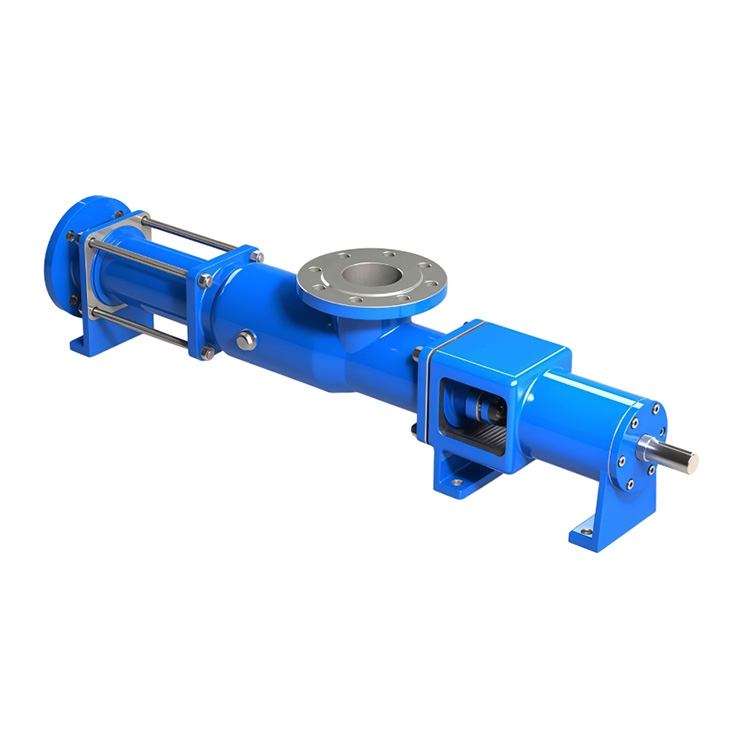
Heat accelerates wear, so the spare plan for an asphalt or thermal-oil pump is tighter than for a cold one. Seals top the list: high-temperature faces and elastomers have a limited life and should sit on the shelf before they are needed, not be ordered after a leak has already shut the line. A pump supplier will also recommend a spare rotor set or stator for single-screw units and a spare jacket gasket kit, because the heated body expands and contracts with every heat cycle and eventually weeps at the joints. Logging running hours against the known wear rate lets the plant stage these parts during a planned stop. The operations that stay available through every heating season are the ones that treat hot-duty spares as planned inventory, never as a panic buy made while production backs up behind a frozen, leaking pump that will not start no matter how hard the motor tries.
Start with the heat on and the product already fluid; never ask a cold pump to break a solid block. A pump manufacturer will set a low-temperature interlock that blocks start until the jacket reaches setpoint, protecting both motor and rotors. During shutdowns, keep the jacket warm or drain and purge the casing so no pocket of bitumen can harden. With that discipline, an asphalt pump becomes a quiet, reliable part of the line instead of the machine everyone fears when the weather turns cold.
References
API Standard 676, Rotary-Type Positive Displacement Pumps, 4th Edition, American Petroleum Institute.
API Standard 610, Centrifugal Pumps for Petroleum, Petrochemical and Natural Gas Industries, 12th Edition, API.
ASTM D36, Softening Point of Bitumen, ASTM International.
Hydraulic Institute, ANSI/HI 14.6, Pump Testing, Hydraulic Institute.
Bloch, H.P., and Budris, A.R., Pump User's Handbook, 4th Edition, Fairmont Press.
 Recommended Products
 Contact us
—— Contact:Mr. Shi
—— Tel:+86 15612730683
—— Email:btclyb@163.com
—— Url:https://www.tianyi-pump.com
—— Address:260 meters east of Xiaoquan Village Committee, Bozhen, Botou City, Cangzhou City, Hebei Province