
NewsDetails
Troubleshooting Excessive Vibration and Noise in Circular Arc Gear Pumps
author:Tianyi Pump time:2026-06-23 17:00:37 Click:128
Circular Arc Gear Pumps are widely used in lubrication systems, fuel transfer applications, hydraulic stations, and industrial fluid transportation due to their stable flow output and reliable performance. However, excessive vibration and abnormal noise during operation can indicate underlying mechanical or hydraulic issues. If not addressed promptly, these problems may accelerate component wear, reduce pumping efficiency, and lead to unexpected equipment failure.
Common Causes of Excessive Vibration
Vibration in a circular arc gear pump is often associated with mechanical imbalance or installation problems.
Improper shaft alignment between the pump and driving motor is one of the most common causes. Misalignment generates additional radial and axial forces, increasing vibration levels and accelerating bearing wear.
Loose foundation bolts or an unstable mounting platform can also contribute to excessive vibration. During operation, insufficient structural rigidity may amplify vibration and affect overall system stability.
Worn bearings are another significant factor. As bearing clearances increase due to wear, shaft movement becomes unstable, resulting in vibration, noise, and reduced operating accuracy.
In addition, damaged gears, bent shafts, or coupling defects may create dynamic imbalance, causing periodic vibration throughout the pump assembly.
Hydraulic Factors Contributing to Noise
Hydraulic issues frequently produce abnormal noise in gear pump systems.
Cavitation is one of the most destructive causes of pump noise. When the inlet pressure becomes too low, vapor bubbles form within the fluid and collapse inside the pump chamber. This process generates sharp knocking sounds, vibration, and surface erosion of internal components.
Common causes of cavitation include clogged suction filters, undersized suction piping, excessive suction lift, or insufficient liquid supply.
Air entering the suction system can also create noise and vibration. Loose pipe connections, damaged gaskets, worn shaft seals, or low fluid levels may allow air to mix with the pumped liquid. Air entrainment often results in unstable flow, pressure fluctuations, and irregular operating sounds.
Gear and Internal Component Wear
As operating hours increase, wear of internal components can significantly affect pump performance.
Excessive gear tooth wear increases internal clearances and creates irregular meshing conditions, generating abnormal mechanical noise. Scratches or wear on side plates and end covers may further increase internal leakage and vibration.
If foreign particles enter the pump chamber, they can damage gear surfaces and create impact noise during rotation. Proper filtration is therefore essential for maintaining smooth operation.
Inspection and Diagnostic Procedures
A systematic inspection should begin with verifying foundation stability, coupling alignment, and bolt tightness. Operators should then examine bearing condition, shaft runout, and gear wear.
Suction pipelines should be inspected for blockages, leakage points, and improper installation. Pressure gauges and flow measurements can help identify cavitation or flow restrictions.
Monitoring vibration amplitude, operating temperature, and noise frequency can provide valuable information for pinpointing the root cause of abnormal operation.
Preventive Maintenance Recommendations
To reduce vibration and noise, maintain correct shaft alignment, ensure adequate suction conditions, replace worn bearings and gears promptly, and keep the fluid clean through effective filtration.
Regular condition monitoring and preventive maintenance programs can significantly improve pump reliability, reduce downtime, and extend the service life of critical components.
References
Hydraulic Institute Standards for Rotary Positive Displacement Pumps.
Pump Handbook, Fourth Edition, McGraw-Hill Education.
ISO 10816 Mechanical Vibration Evaluation Standards.
API Recommended Practices for Pump Maintenance and Reliability.
Machinery Failure Analysis and Troubleshooting Guide.
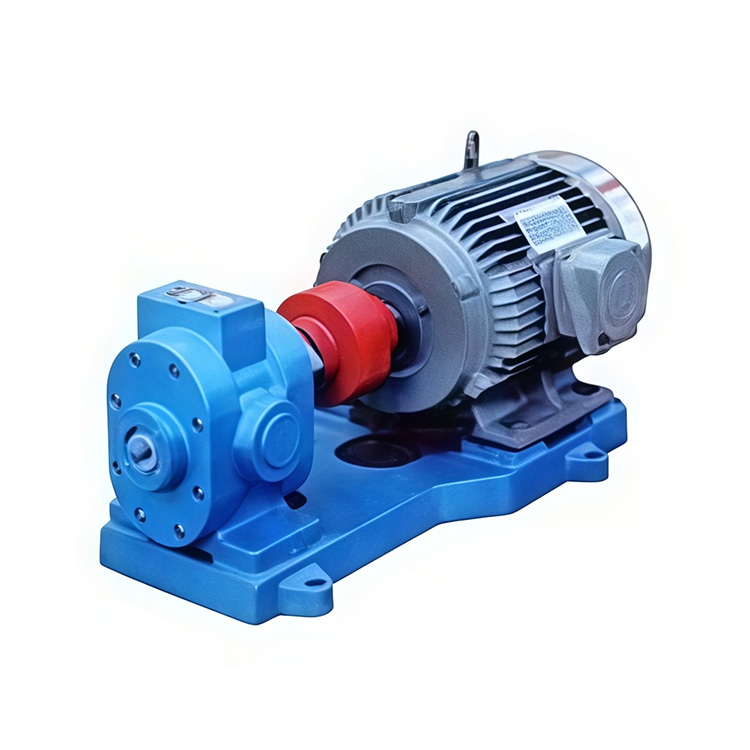
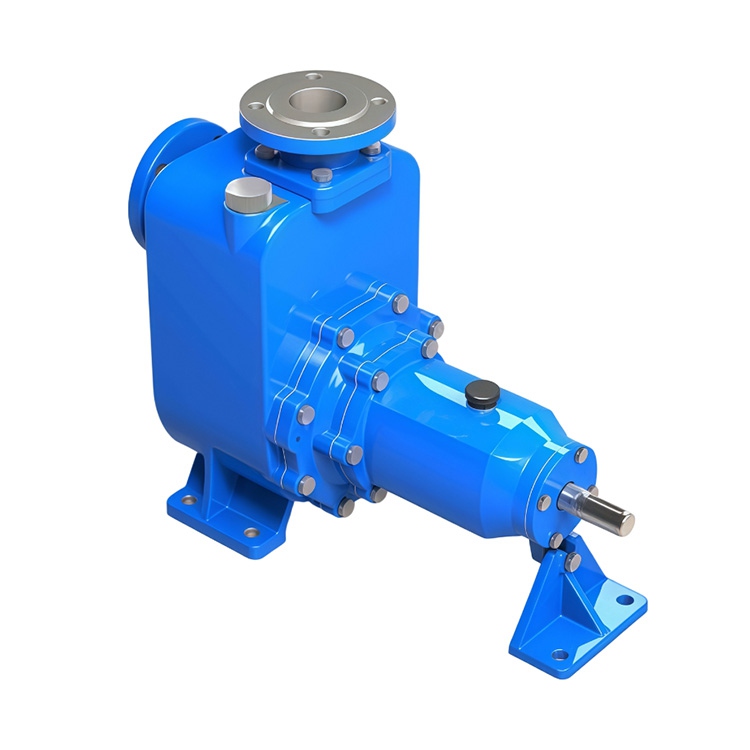
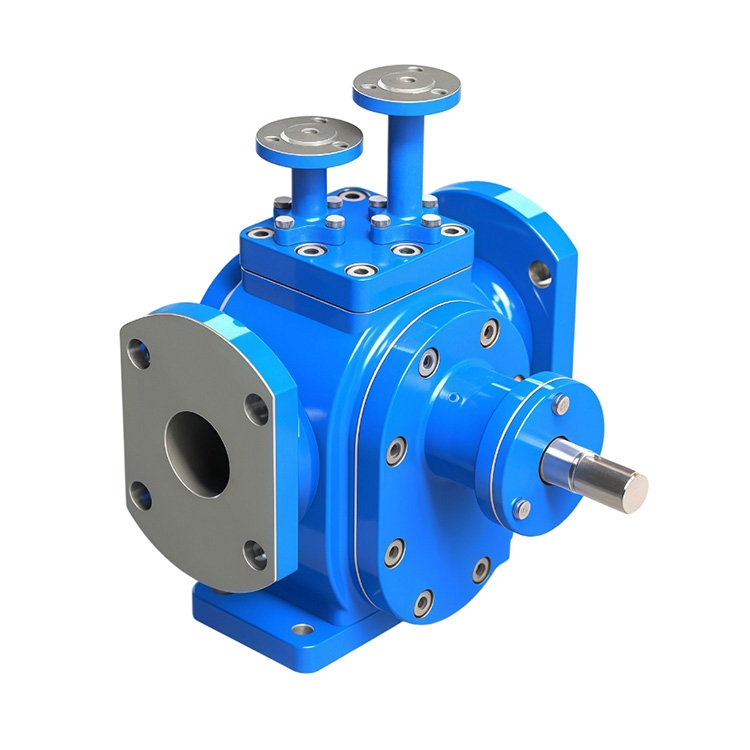
 Recommended Products
 Contact us
—— Contact:Mr. Shi
—— Tel:+86 15612730683
—— Email:btclyb@163.com
—— Url:https://www.tianyi-pump.com
—— Address:260 meters east of Xiaoquan Village Committee, Bozhen, Botou City, Cangzhou City, Hebei Province